

In a thought-provoking Facebook post, educator and writer Adaeze Nwadike debunks a growing myth in online writing circles—that the use of the em dash (—) is a clear marker of AI-generated content. With literary flair and pedagogical precision, Nwadike defends the em dash not only as a stylistic choice but as a hallmark of creative mastery.
Nwadike, known for her insightful takes on education and language, responds to claims that the presence of em dashes in online writing signifies artificial intelligence authorship. She highlights the punctuation’s long-standing role in literary tradition, citing Toni Morrison’s Beloved—published in 1987, long before modern AI—as a prime example of its powerful function in storytelling.
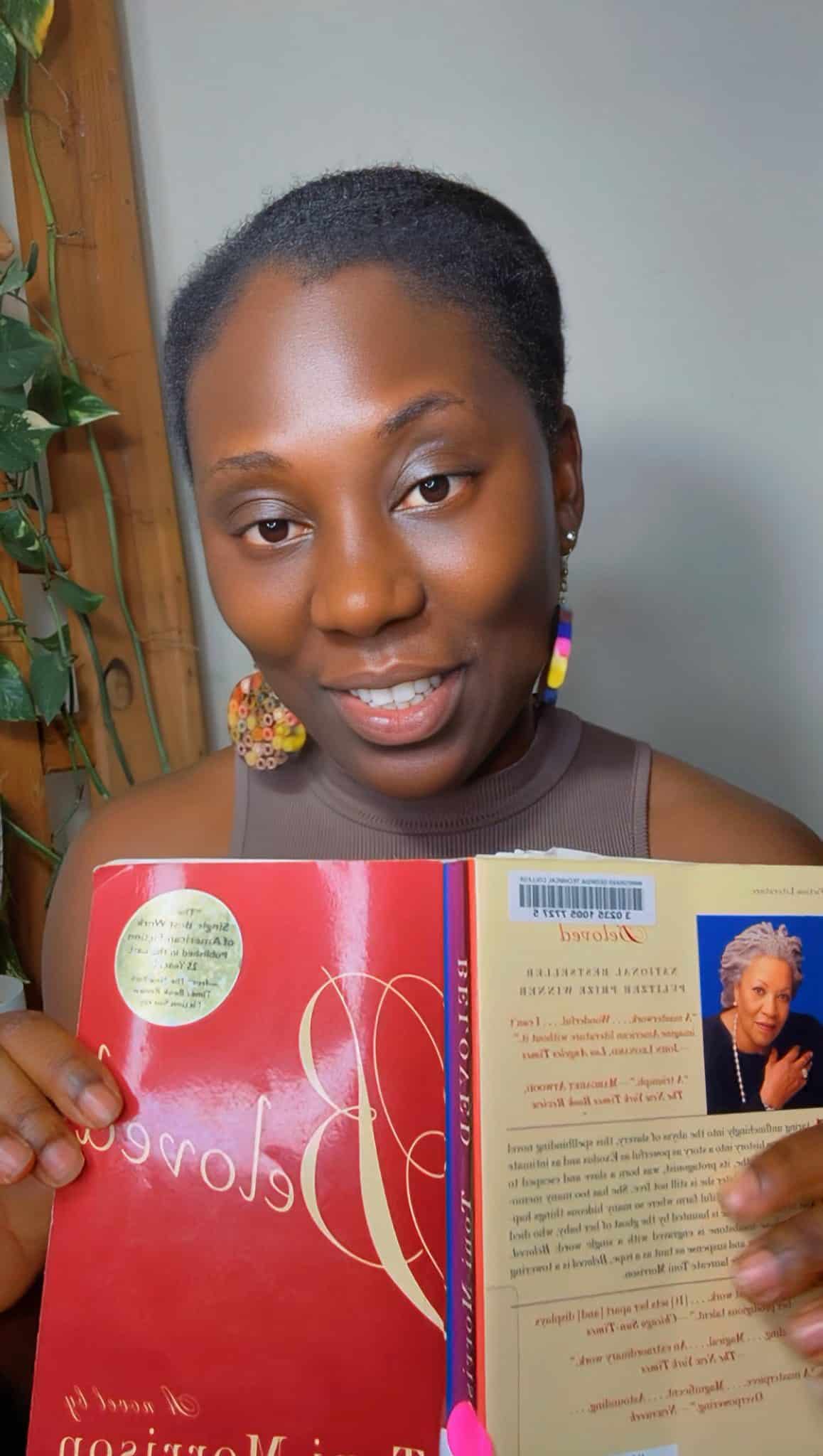
“The em dash is a creative writer’s favorite tool after the comma,” Nwadike asserts, underscoring its ability to evoke emotion, guide pacing, and elevate narrative rhythm. She describes it as a bridge between thoughts—an expressive pause that enriches the reader’s experience.

In addressing the broader AI discourse, Nwadike draws a critical distinction between writing with AI and editing with AI, noting that conflating the two reflects a lack of understanding about technological tools in the creative process. “AI is a friend—not the enemy we think it is,” she writes, recounting her experience integrating AI in education. She humorously adds that outdated AI-generated content often “sounds like something written by a drunk bat”—a cautionary reminder of the limits of machines.
Beyond grammar and algorithms, Nwadike’s message is clear: human intellect remains the cornerstone of great writing. “The magic is the human mind,” she concludes. “Stop playing down the greatest invention of nature to uplift the product of that same invention.”
In a digital age where technology continues to influence the way we write, Nwadike’s statement is a timely reminder of the enduring power of literary intuition and informed authorship.
Other POP! stories that you might like:
Madam Inutz’s song ‘Inutil’ piques social media users’ interest online
Post on Threads ignites discourse on Filipino travelers being ‘overdressed’ when traveling

