
The Polytechnic University of the Philippines (PUP) recently became the subject of a meme when the Facebook page of PUP Memes posted an image using an AI filter to reimagine the university in its full cherry blossom glory.
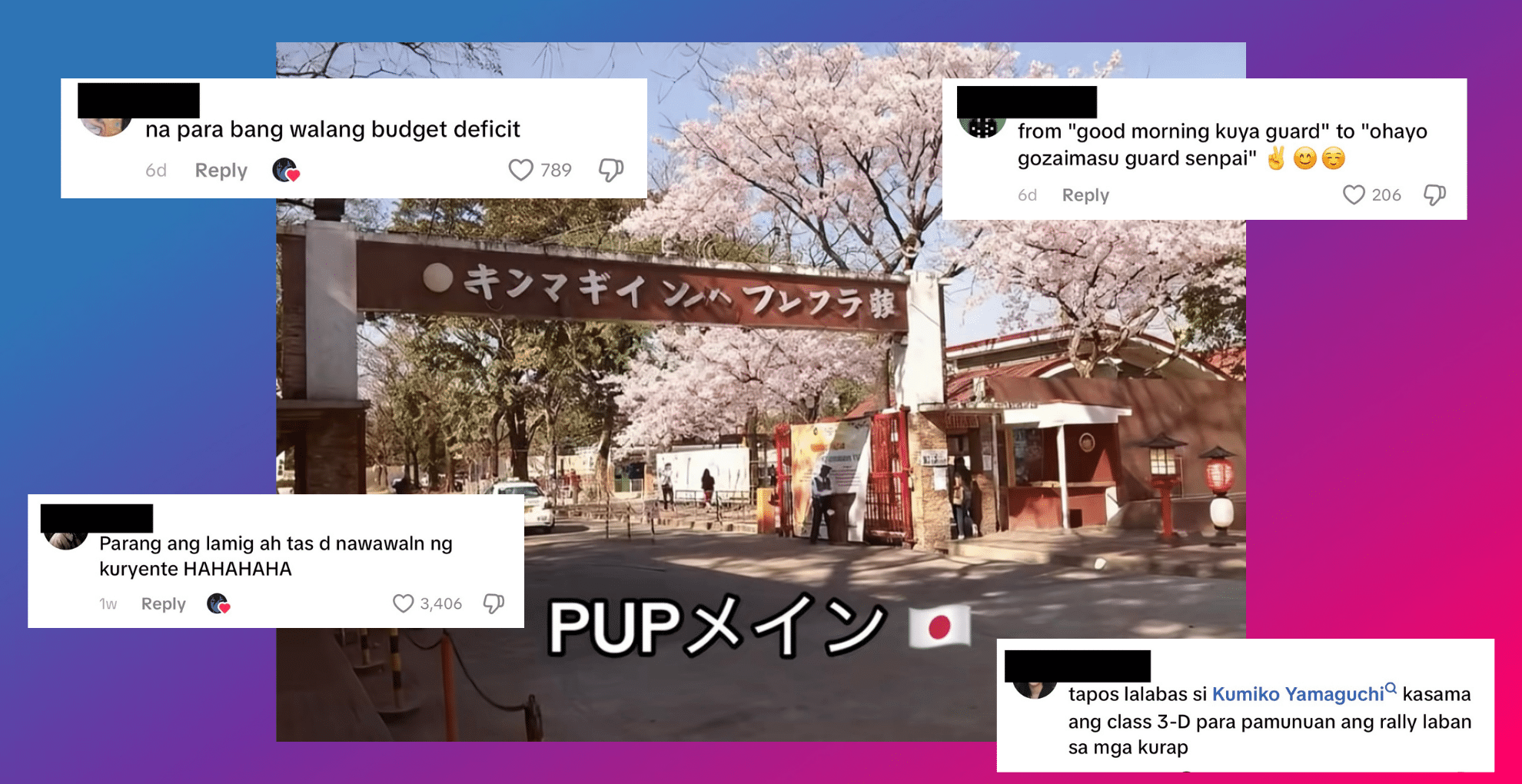
“Japan Effect sa PUP Sinta,” the image humorously represents a perfect version of PUP—“Na para bang may kuryente, tubig, at kumpleto ang upuan.” Students immediately resonated with the joke, sharing the post and commenting that this idealized version reflects how they wished the campus looked like, while at the same time poking fun at the everyday reality of broken chairs, frequent outages, and unfinished facilities.



Beyond the memes, life at PUP comes with very real struggles. Students usually run around looking for classrooms, and the few lecture halls available make them fight for space. This daily “agawan ng classroom” at PUP main campus has become a part of the university culture, while other buildings, such as condotel, have stopped operating for a semester due to the lack of funds. These cases are a clear example of how infrastructure shortages impact the learning process.
The university currently faces a ₱9.08 billion budget deficit for Fiscal Year 2026. Despite requesting 12.7 billion, the Department of Budget and Management only approved ₱3.62 billion, 71% lower than proposed.
As one of the country’s largest state universities serving over 94,000 students, most coming from low income families, PUP relies heavily on sufficient government funding to sustain operations, maintain facilities, provide quality education while keeping tuition free.
The shortage of funds has an impact not only to the buildings but also on the academic programs and services offered to the students. The unfinished buildings, broken facilities, and classroom shortages show what the government prioritizes. Billions are spent elsewhere leaving education underfunded.
Memes like this may bring laughter, however, they point out a deeper issue: students longing for a campus that meets basic needs. Though social media makes it possible for students to joke about these struggles, the message is clear—state universities deserve proper funding to provide safe, functional, and equitable learning environments.
Other POP! stories that you might like:
[Commentary] The faint cracks in the Philippines’ lack of sex education
Best-selling author John Green visits Guimaras for tuberculosis-free initiative
Old shows and new hearts: Gen Zs find safe space in their “comfort shows”

