

Boys’ Love (BL) and Girls’ Love (GL) have gained popularity over the years. From ‘shipping’ or romantically pairing existing characters to actively seeking queer media, people are progressively accepting of BL and GL as forms of art, entertainment, and representation. These genres appear in various formats, such as graphic novels, animated shows, and live-action dramas. Like other kinds of media, BL and GL differ across cultures and regions.
With that, let’s explore the BL and GL landscape in five Asian countries.
Japan
The roots of BL and GL could be traced back to the 1970s in Japan. The Year 24 Group, a collective of female manga artists, pioneered shoujo manga. Catering to a female demographic, the group pushed for yaoi and yuri. Notable examples were ‘Sunroom Nite’ by Takemiya Keiko and ‘The Couple in the White Room’ by Yamagishi Ryoko. This sparked the emergence of queer media.
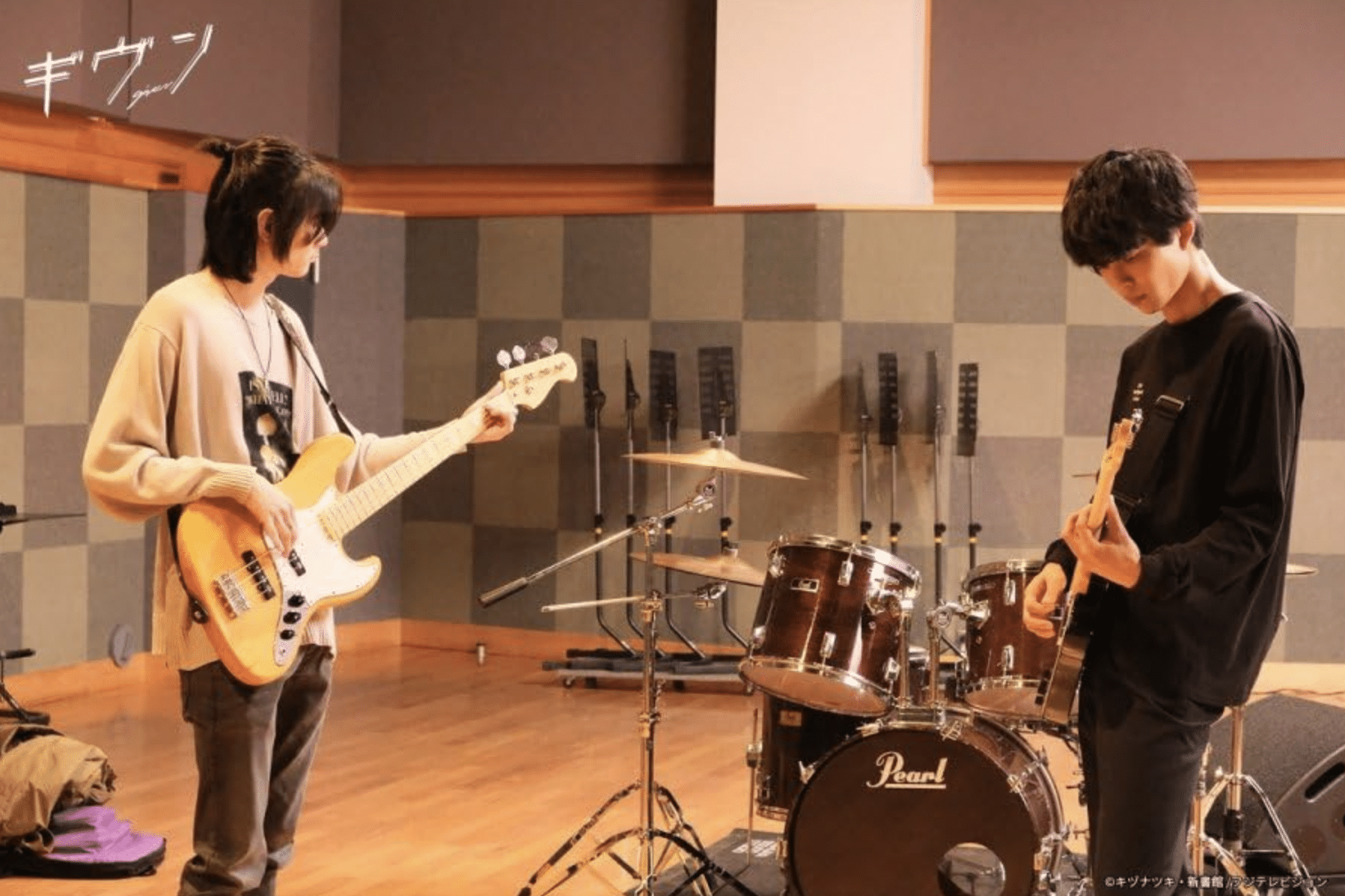
Today, BL and GL have become prominent in popular culture, even though same-sex marriage remains unrecognized in Japan.
Notable examples of BL are ‘Given’ and ‘Cherry Magic.’ As for GL, ‘Love Bullet’ and ‘The Guy She Was Interested in Wasn’t a Guy at All ‘ are dominating the field for ongoing GL manga.
South Korea
South Korea’s BL and GL scene is predominantly driven by manhwas, or graphic novels, usually in full color.
South Korean queer media is diverse, ranging from wholesome and lighthearted to explicit in nature. However, explicit works face censorship due to content regulations.

Notable examples of BL are ‘Semantic Error’ and ‘Cherry Blossoms After Winter.’ Examples of GL include ‘Blooming Sequence’ and ‘My Princess Charming.’
China
In China, BL is known as danmei, and GL as baihe. However, due to a restrictive media environment, these works often face heavy censorship or are taken down.
In addition to that, some adaptations are watered down to bromances instead, such as ‘The Spirealm.’ Or worse, some adaptations are stuck unaired, like ‘Immortality.’

Danmei and baihe are known for their historical themes. A notable example of BL is ‘Grandmaster of Demonic Cultivation,’ while ‘Female General and Eldest Princess’ is an example of GL. However, they also have notable works with modern themes, such as ‘Saye: Run Wild’ and ‘Her Mountain, Her Sea.’
Thailand
Thailand popularized live-action queer television dramas. Unlike in many other countries, major Thai networks such as Channel 3 and GMMTV regularly air and promote BL and GL shows.
Notable BL dramas include ‘2gether,’ ‘Bad Buddy,’ and ‘I Told Sunset About You.’ Popular GL dramas are ‘Gap,’ ‘23.5,’ and ‘The Secret of Us.’

Thai queer dramas often feature tropes such as sprained ankles, guitar performances, and obvious product placements. Common themes include rivalry, enemies-to-lovers, and friendship.
Thailand is the most progressive when it comes to queer rights in this list, having legalized same-sex marriage.
Philippines
The BL and GL scene in the Philippines is still developing. Despite the boisterous queer culture in the country, conservatism remains prevalent.
Most Philippine BL and GL content are produced by independent studios. Notable BL titles include ‘Gameboys’ and ‘Gaya Sa Pelikula.’ Meanwhile, ‘Sleep With Me’ and ‘Pearl Next Door’ represent GL.
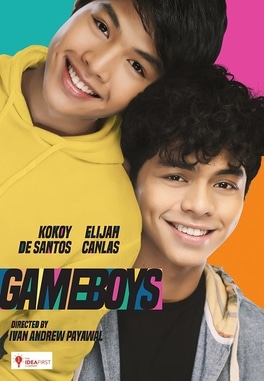
Common themes in Philippine queer media are homophobia, family, self-discovery, and coming of age. This reflects the queer experience in a predominantly Roman Catholic country.
On the bright side, Filipino derivative works are thriving because of fandoms and social media. This brings up the boom in social media alternate universes written by fans about their favorite ships.
Representation and fetishization
The emergence of BL and GL reflects how audiences are becoming more open-minded than in the past.
Although BL and GL are umbrella terms, they are not “one size fits all.” As explored earlier, queer culture varies across countries. Adding in personal experience, one may not fully relate.
Still, representation matters. These stories may ultimately lead to acceptance.
However, that does not mean queer stories exist for mindless consumption of straight audiences. Engaging media with tunnel vision could lead to viewing these stories through heteronormativity. Or worse, people would see BL and GL simply as gooning material. It is not.
BL and GL have evolved as a creative medium for romance and self-expression. Through the media, people may come to realize that queer people deserve romance too.
Other POP! Stories that you might like:
Video game ‘Honor of Kings’ strengthens Philippine presence with new Tagalog language update
Tate McRae seemingly strikes back at ex-boyfriend Kid Laroi in new song ‘Tit for Tat’
Check out these K-pop stars who will dominate Coachella 2026

