
Filipinos leaving the country pay travel taxes, but many question whether the fees are truly justified.
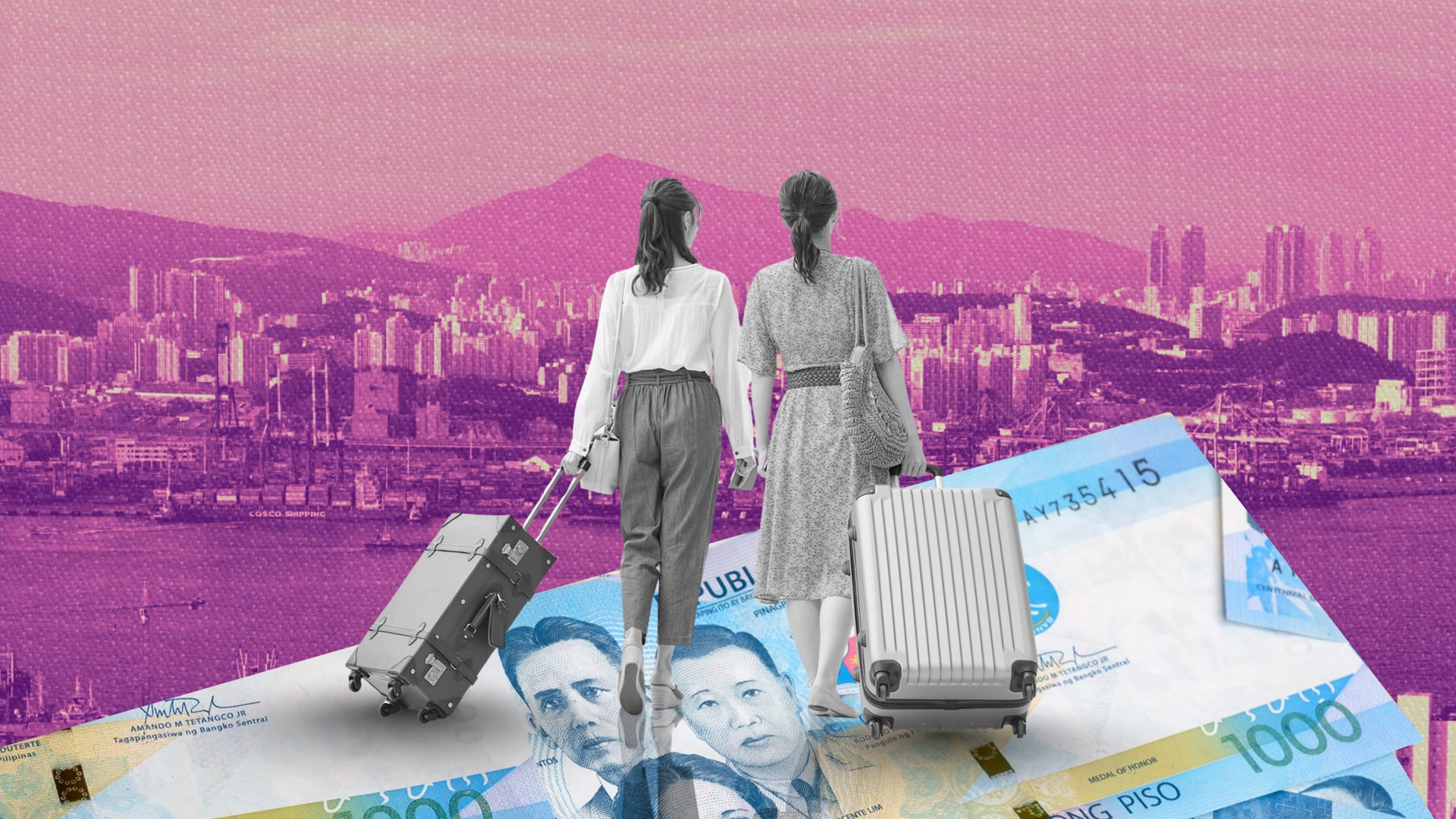
The Tourism Infrastructure and Enterprise Zone Authority (TIEZA) collects the standard ₱1,620 for economy and business class, and ₱2,700 for first class passengers.
Under the Republic Act 9593, proceeds from the travel tax are distributed across three national agencies: 50% to TIEZA, 40% to the Commission on Higher Education (CHED), and 10% to the National Commission for Culture and the Arts (NCCA). In 2024, TIEZA reported a rebound in revenue, generating ₱7.8 billion nationwide for tourism projects.
In a TikTok video posted by Gigi Celoso, she elaborated on where Philippine travel taxes go and questioned whether these fees benefit travelers and Filipinos in general.
@gigi_adultingnoob Now let’s talk about another tax — Travel Tax. ₱1620 binabayaran mo per travel, pero saan nga ba napupunta? As a frequent traveller, it hurts! #tax #travelph #traveltiktok #adultingnoob #fyp ♬ original sound – Adulting Engr | KLOOKGIGI
Similarly, in the comment section, many travelers and critics remain skeptical. They note that while tax generates billions, visible improvements in tourism sites are often delayed or incomplete.


Students also still continue to struggle to access scholarship or support. This leaves tax payers questioning whether their contributions are truly going to the right place.
The financial burden on ordinary Filipinos is also significant. Frequent travelers pay thousands of pesos annually. Multiply that by millions of travelers, and the total revenue is substantial—but the visible benefits remain limited.


Lawmakers have previously proposed reforms to address these concerns. Senator Alan Peter Cayetano filed Senate Bill 424 while Erwin Tulfo introduced Senate Bill 1409—both advocating for abolition of travel tax. They argue that removing the fee could boost mobility, increase tourism spending, and allow the national budget to cover tourism, education, and cultural preservation and initiatives.
Other proposals suggested modifying the tax structure rather than eliminating it entirely—for example charging first class or business travelers while economy-class will be exempted. Advocates say this approach would lessen the burden on ordinary Filipinos.
As millions of Filipinos prepare for international travel each year, the debate continues: are our travel taxes truly serving their intended purpose, or do they remain an outdated financial burden?
Other POP! stories that you:
[Commentary] The faint cracks in the Philippines’ lack of sex education
Iloilo-based production studio hired to cover the wedding of former EXO member Huang Zitao
China bars uncertified influencers from discussing expert-domain content

